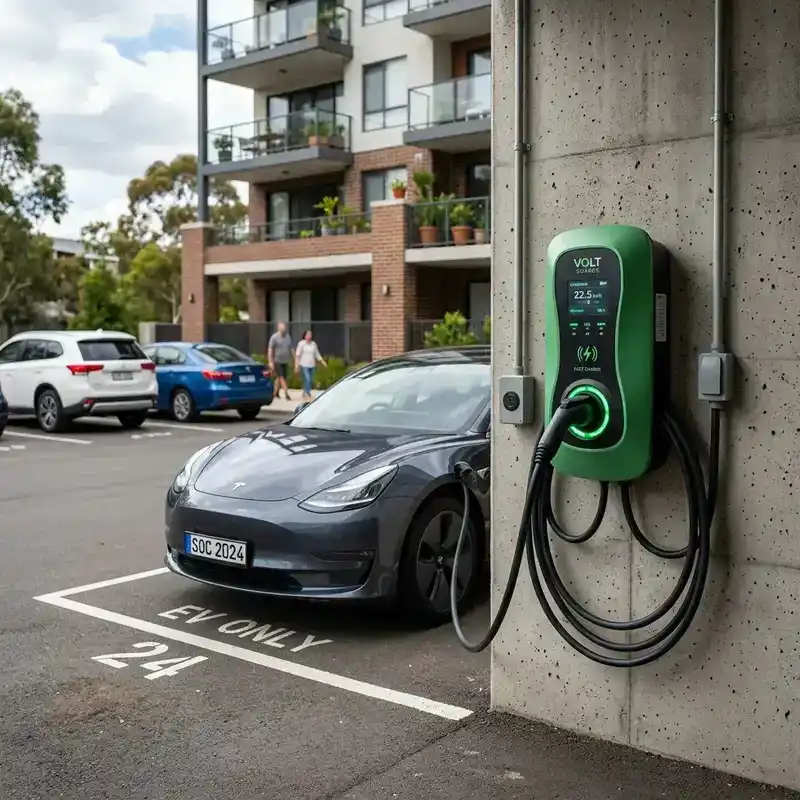
Comprehensive Guide to Actual Cost of EV Charger Installation at Home (2024)
When it comes to Actual Cost of EV Charger Installation at Home (2024), many consumers are unaware of the hidden technical challenges until their application is rejected. This comprehensive guide breaks down the exact steps to guarantee a smooth approval.
Crucial Protocols and Compliance
A thorough site feasibility study by the utility’s Junior Engineer is the first physical step. They assess whether the neighborhood transformer and the existing service cables can bear the new load requirements without causing voltage fluctuations.
Technical Execution
For high-tension scenarios or massive loads, you must establish a private substation. This entails significant capital expenditure on transformers, VCBs, and APFC panels to maintain a perfect power factor.
Final Thoughts
By adhering strictly to these verified procedures for Actual Cost of EV Charger Installation at Home (2024), you safeguard your property against fire hazards, legal liabilities, and unexpected utility back-billing.
Frequently Asked Questions
What happens if my application is rejected?
If rejected, you will receive a deficiency report. You must rectify the specific documentation or wiring issue and re-apply.
Are there any hidden liaisoning fees?
There are no hidden fees from the utility, but you must pay the official Service Line Charges (SLC) and Security Deposits as per the tariff chart.
Can I use my existing wiring?
Usually no. Load alterations often require replacing thin older wires with thicker, industrial-grade copper cables to prevent melting.
How long does the entire approval process take?
Typically, if all documents are perfect and grid capacity is available, the process takes 7 to 15 working days. Complex cases can take longer.
Is physical inspection mandatory?
Yes. A vigilance officer or Junior Engineer will always conduct a physical site inspection before granting final approval.