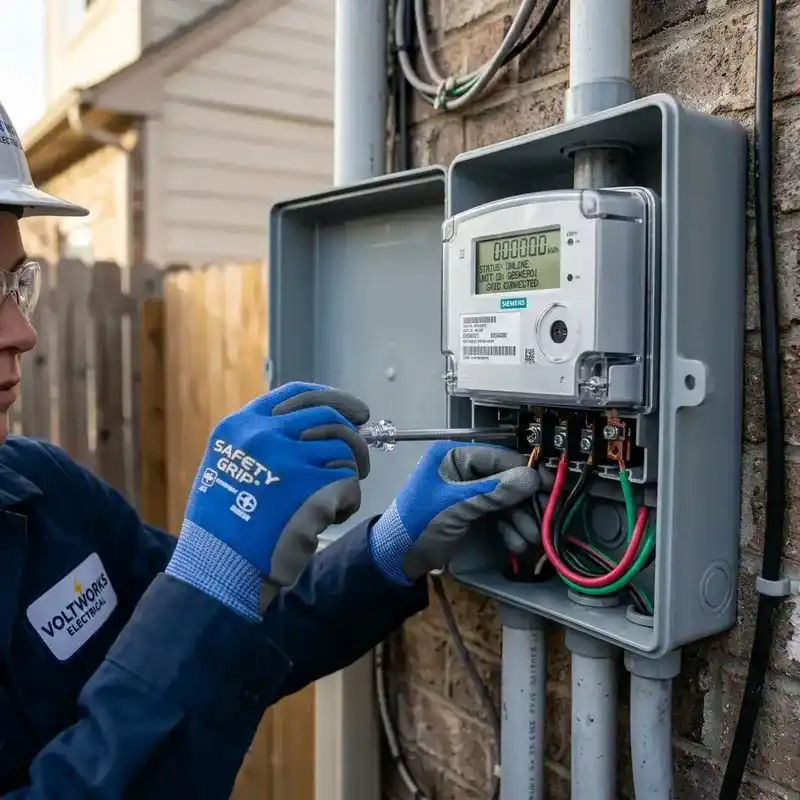
Decoding the Phase Dilemma
When applying for a new electricity connection or planning a major home renovation in Mumbai, one of the most critical decisions you will make is choosing between a single-phase and a three-phase meter. Utility companies like Tata Power, Adani Electricity, and MSEDCL have strict guidelines regarding when a consumer must transition to a three-phase connection based on their connected load.
What is a Single-Phase Connection?
A single-phase connection operates through two wires: one phase (live) wire and one neutral wire. It typically delivers 230 Volts of alternating current. This setup is perfectly adequate for standard residential consumption. If your home has basic lighting, a few fans, a refrigerator, and perhaps one small air conditioner, your total connected load will comfortably stay below 5 kW, which is the operational limit for most single-phase meters.
When Must You Upgrade to Three-Phase?
A three-phase connection uses four wires: three live (phase) wires and one neutral wire, delivering 415 Volts. The load is distributed evenly across the three phases, preventing excessive current draw on any single wire. You are legally required by the utility provider to upgrade to a three-phase meter if your sanctioned load exceeds 7.5 kW.
Common Triggers for an Upgrade:
- Installing multiple high-tonnage Air Conditioners (e.g., 3+ ACs in a 3BHK apartment).
- Purchasing an Electric Vehicle and installing an 11kW or 22kW fast home charger.
- Operating heavy motorized equipment like centralized HVAC, commercial pumps, or elevators.
Frequently Asked Questions
Is the electricity rate higher for a three-phase meter?
No, the per-unit energy charge remains exactly the same for domestic consumers. However, the fixed monthly demand charges are generally higher for three-phase meters because your sanctioned load is higher.
Can I run a single-phase appliance on a three-phase meter?
Yes, absolutely. The internal wiring of your home distributes the three phases into individual single-phase circuits via a Distribution Board (DB). Your standard appliances simply connect to one of those phases and the neutral.
What happens if my single-phase meter is overloaded?
Overloading a single-phase meter leads to excessive heating of the service cable, frequent tripping of the utility fuse, and extreme fire hazards. The utility may also impose penalties.
How much does it cost to upgrade to three-phase?
The cost includes utility processing fees, a new service cable from the meter cabin to your house, and a new three-phase Distribution Board. Expect anywhere from ₹25,000 to ₹55,000 depending on cable length.
Does a three-phase meter require special earthing?
Yes, safety standards are stricter. You will typically require dedicated copper plate or chemical earthing to handle potential fault currents in a three-phase system.
Need a Load Assessment? Don’t risk a fire hazard by overloading your current setup. Contact Shree Balaji Electricals for a professional home load assessment and seamless three-phase upgrade liaison.